


SLEEKCARE
Deep Tissue Massage - 60 mins
Deep Tissue Massage - 60 mins
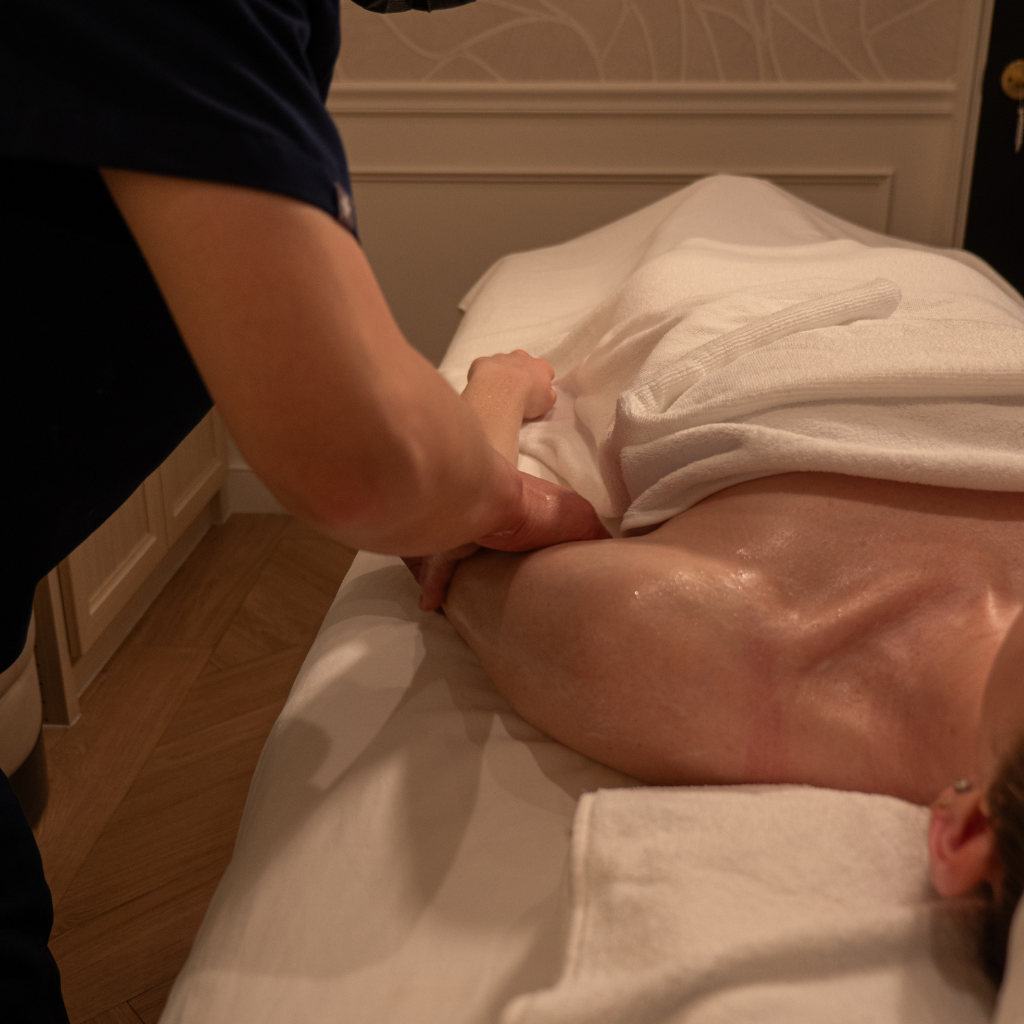
Target chronic muscle tension at a deeper level with our Deep Tissue Massage. This specialized technique uses firm, focused pressure to penetrate beneath the surface layers of muscle and fascia, helping to break up adhesions and promote lasting relief. Perfect for athletes and anyone seeking to alleviate persistent aches, our skilled therapists customize each session to your unique needs. Experience a more balanced, relaxed body and discover improved range of motion, all while reducing stress and tension.
Who is deep tissue massage best for?
Who is deep tissue massage best for?
This treatment is ideal if you're experiencing any of the following:
- Chronic muscle tension in the neck, shoulders, or back
- Tightness from sitting at a desk or working at a computer for long hours
- Postural issues from screen time, commuting, or stress
- Recovery from intense workouts, training, or running
- Restricted range of motion or stiffness
- Specific knots or trigger points that won't release on their own
- Tension headaches caused by neck and shoulder tightness
- Recurring lower back tightness or hip discomfort
- Athletic recovery and injury prevention
If your body feels stuck, tight, or in pain — and a regular relaxation massage hasn't given you lasting relief — deep tissue is the treatment that addresses the issue at its source.
How is deep tissue different from Swedish massage?
How is deep tissue different from Swedish massage?
The two treatments work toward different goals. Swedish massage uses long, flowing strokes with light-to-medium pressure to relax the body, calm the nervous system, and improve overall circulation.
Deep tissue uses slower, firmer pressure and more focused techniques to reach the deeper layers of muscle and connective tissue, targeting chronic tension and specific problem areas.
A simple way to choose:
- If you want to unwind and feel relaxed, choose Swedish.
- If you want to resolve a specific tension issue or release deep knots, choose deep tissue.
Many clients alternate between the two depending on what their body needs that week.


Benefits of Deep Tissue Massage
-

REDUCE PAIN WITHIN THE BODY
Focuses on muscles, then the tendons and joints supporting the muscle.
-

BREAKS UP KNOTS & RELIEVE TENSION
Aims to break down knots, relieve muscle tension, and reduce stress in newer areas of pain or tension.
-

REHABILITAES INJURED MUSCLES
Effective treatment for injured muscles also helps to reduce pain caused by injuries.


Q&A
Frequently Asked Questions
What is deep tissue massage?
Deep tissue massage is a therapeutic, focused massage technique that targets the deeper layers of muscle and connective tissue. Using slower, firmer pressure and concentrated strokes, it works to release chronic muscle tension, break up adhesions ("knots"), and restore mobility in areas that have been holding tension for weeks, months, or even years. Unlike a relaxation-focused massage, deep tissue is intentional and result-oriented — it's the treatment to book when your body is asking for something more than just a quiet hour of rest.
How is deep tissue different from Swedish massage?
The two treatments work toward different goals. Swedish massage uses long, flowing strokes with light-to-medium pressure to relax the body, calm the nervous system, and improve overall circulation. Deep tissue uses slower, firmer pressure and more focused techniques to reach the deeper layers of muscle and connective tissue, targeting chronic tension and specific problem areas.
A simple way to choose:
- If you want to unwind and feel relaxed, choose Swedish.
- If you want to resolve a specific tension issue or release deep knots, choose deep tissue.
Many clients alternate between the two depending on what their body needs that week.
How is deep tissue different from lymphatic drainage?
Deep tissue and lymphatic drainage couldn't be more different — even though both are categorized as "massage." Deep tissue uses firm, focused pressure to work on the muscles. Lymphatic drainage uses very light, rhythmic pressure to stimulate the lymphatic system just beneath the skin. Deep tissue addresses muscle tension and pain. Lymphatic drainage addresses puffiness, fluid retention, and detoxification. They're complementary services, not competing ones — and many clients book both at different times depending on what their body needs.
Will deep tissue massage hurt?
Deep tissue should feel intense, but never genuinely painful. The firm pressure can produce a "good hurt" sensation as your therapist works through tight areas — many clients describe it as a satisfying release rather than pain. We communicate throughout the session and adjust pressure based on your feedback at every stage.
A few important points:
- Pain is not the goal. Effective deep tissue is firm and focused, not aggressive. If something genuinely hurts, tell your therapist — we'll adjust immediately.
- Slight discomfort can be normal in particularly tight areas, but it should always feel manageable.
- The "no pain, no gain" approach is outdated. Modern deep tissue work understands that excessive pressure causes muscles to guard and tense, which is the opposite of what you want. Skilled therapists know how to work deeply without forcing.
If you're new to deep tissue or have a higher pain sensitivity, let your therapist know at the start and we'll begin with moderate pressure and build from there based on your comfort.
Will I be sore after a deep tissue massage?
Some mild soreness for 24 to 48 hours is normal and expected, especially if it's your first deep tissue session or if your therapist worked through particularly tight areas. The soreness typically feels like a post-workout ache rather than pain.
To minimize soreness:
- Drink plenty of water before and after your appointment to help flush out the metabolic waste released from your muscles.
- Stretch gently the next day rather than skipping movement entirely.
- Take a warm bath or shower that evening — Epsom salts can help.
- Avoid intense workouts for 24 hours to let your muscles recover.
If soreness lasts longer than 2 days or feels sharp, please let us know — we may need to adjust pressure or technique for next time.
How long is the appointment?
Our deep tissue massage is 60 minutes, allowing your therapist enough time to focus on the areas of greatest tension while still addressing the body as a whole. If you have multiple problem areas (neck, shoulders, back, hips, legs), we recommend mentioning your priorities at the start so we can use the time most effectively. For clients who want extended work on the entire body or particularly stubborn areas, you can book consecutive sessions or pair deep tissue with another treatment.
How often should I get a deep tissue massage?
The right cadence depends on your goals and how your body holds tension:
- For chronic tension or postural issues: every 2 weeks for the first month, transitioning to monthly maintenance once the deeper layers begin to release
- For athletic recovery or training support: weekly or bi-weekly during heavy training periods, monthly during off-seasons
- For general maintenance and stress management: every 3 to 4 weeks
- For acute issues: weekly until the issue resolves, then transitioning to maintenance
Your therapist can help you build a rhythm that fits your body, your schedule, and your specific goals.
Can I ask for adjustments during the session?
Absolutely, and we encourage it. Pressure preferences are personal, and what feels firm-but-good for one person can feel too intense for another. Your therapist will check in regularly, but please don't wait to be asked — speak up if you'd like more or less pressure, want to focus more on a specific area, or need a position adjustment. The session is for you, and your feedback only makes it better.
Is deep tissue massage safe during pregnancy?
We don't perform deep tissue massage during pregnancy. The firmer pressure and intensity aren't recommended for pregnant clients, and many of the typical positions used in deep tissue aren't safe in the second and third trimesters. For pregnant clients, we recommend our lymphatic drainage massage or a modified Swedish massage — both are wonderful options that ease pregnancy-related tension safely. Please share your due date and any pregnancy-related details when booking so we can guide you to the right treatment.
Can I combine deep tissue with other treatments?
Yes — and it's one of our most popular booking patterns. Deep tissue pairs especially well with:
- HydraFacial or our signature facial for a head-to-toe reset
- Head spa to release upper body tension followed by scalp and nervous system care

Still not sure lymphatic drainage massage is right for you?
Schedule a complimentary consultation with our expert providers to discuss your needs.